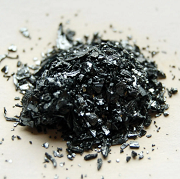
The global iodine market remains relatively tight in 2026, supported by expanding medical applications, limited geographical diversification of primary production, and continued investment in additional capacity. Demand from X-ray and computed tomography contrast media is particularly important, while liquid crystal displays, pharmaceuticals, iodophors, animal nutrition and fluorochemicals provide additional consumption channels.
World iodine production reached an estimated 44,000 metric tons in 2025, compared with approximately 43,000 tons in 2024. Chile remained the dominant producer, with output increasing from about 22,000 to 23,000 tons, while Japan produced around 9,000 tons.
Chile Remains at the Centre of Global Iodine Supply
The iodine industry continues to be highly concentrated. Excluding confidential U.S. production, Chile accounted for roughly two-thirds of global output in 2025. Most Chilean iodine is recovered from caliche ore in the country’s northern desert regions, while Japan derives iodine primarily from underground brines associated with natural gas production.
SQM remains the leading Chilean supplier. The company sold approximately 14,500 tonnes of iodine and derivatives in 2025, unchanged from 2024, but revenues increased by almost 8% to about USD 1.04 billion. Its average iodine selling price rose from around USD 67 per kilogram in 2024 to USD 72 per kilogram in 2025.
Supply expansion is nevertheless underway. USGS reports that a major Chilean producer plans to add approximately 4,000 tonnes per year of iodine capacity. In the United States, another producer opened its eighth iodine plant during 2025 and increased first-half production by almost 11% year on year.
Medical Imaging Drives Iodine Demand Growth
The largest global end use for iodine is X-ray contrast media, followed by LCD applications, pharmaceuticals, iodophors, animal feed and fluorochemicals.
Medical imaging is becoming an especially important growth engine. GE HealthCare announced a USD 138 million expansion of its contrast-media manufacturing facility in Cork, Ireland, which is expected to add capacity for 25 million patient doses annually by the end of 2027. The company expects global demand for iodine-based CT and X-ray contrast media to double over the next decade, driven partly by ageing populations, chronic disease prevalence and greater use of diagnostic imaging.
SQM similarly expects global iodine demand to increase by approximately 3% in 2026, with X-ray contrast media providing the principal growth driver.
Iodine Prices Remain Historically Strong
Tight supply-demand fundamentals continue to support pricing. USGS estimates that iodine crystal spot prices averaged around USD 73 per kilogram during the first ten months of 2025, approximately 4% above the 2024 annual average.
Recycling is also becoming more significant. SQM estimates that recycled iodine now represents roughly 16% of global iodine supply, with recovery increasingly integrated into chemical and pharmaceutical production chains.
Iodine Market Outlook
The iodine market outlook remains positive, particularly for medical and pharmaceutical applications. New capacity in Chile and the United States should gradually improve availability, but strong demand from diagnostic imaging and the geographical concentration of production are likely to keep supply security important.
Future market development will therefore depend on the balance between new primary production, iodine recycling and rapidly expanding high-value applications. Producers with reliable resources, additional capacity and established downstream relationships should remain well positioned as global iodine consumption continues to increase.
Find a detailed analysis of the iodine market dynamics and trends in the in-demand research report “Iodine: 2026 World Market Review and Forecast to 2035”.